
Background
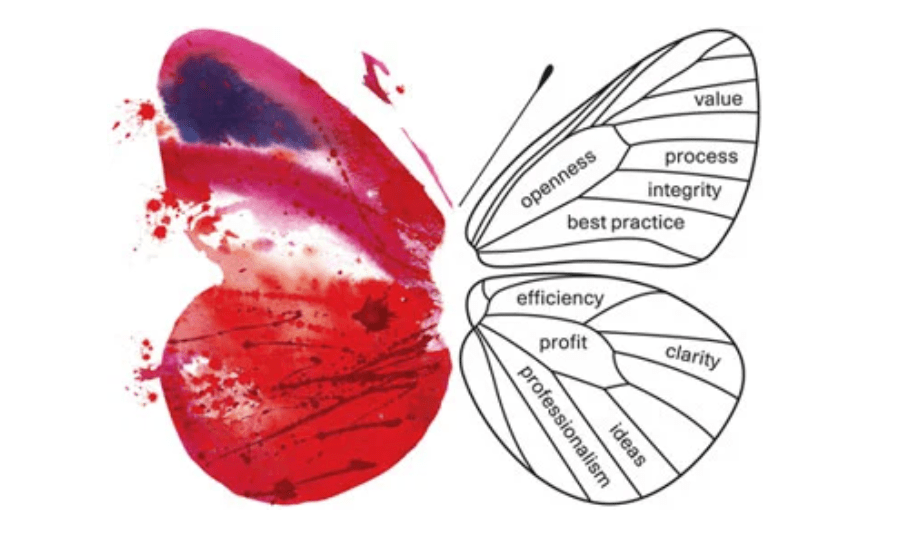
In 2004, ISBA (the leading British association for client-side advertisers) authored a groundbreaking paper that examined the two key dimensions creative service providers need to excel at. Titled “The Magic and the Logic,” it argued that agencies must deliver superb core outputs (the creative magic) and at the same time operate as well-oiled functional businesses (the logic).
Originally conceived for the advertising and marketing industry, this framework remains the definitive lens for evaluating whether a creative, media, or marketing services agency is truly firing on all cylinders. Any agency relationship evaluation program should consider both dimensions.
“The Magic”
The “magic” is about the quality of what the agency produces. A creative agency should strive to deliver campaigns and ideas that shift the needle for their client’s brand in new and innovative ways. A media agency should develop buying strategies and channel plans that maximise return on investment and uncover new audience opportunities. A PR or communications agency should generate earned media coverage and narratives that build reputation and trust.
Understanding the client’s business needs and challenges in real depth is what inspires truly innovative work. Agencies should invest in developing their account managers, strategists, and creatives — not just in their specialist craft skills, but also in relationship management and commercial awareness. By establishing strong feedback channels with clients, agencies can continuously refine their output to better meet evolving needs, thereby boosting the “magic” they provide.
“The Logic”
On the “logic” side, all agencies should aim to run like well-oiled machines with as little friction as possible. Creative work and campaign deliverables should arrive on time and on budget. Agencies should strive to generate optimal value and, on the fee side, be transparent with retainer management, scope changes, and production costs. Account management should be proactive, looking to uncover areas of opportunity for the client to grow.
But “logic” is about more than just meeting deadlines and managing budgets. Agencies should also focus on operational efficiency across their business. One of the keys to this is effective communication. By maintaining open, honest, and regular communication with clients, agencies can prevent misunderstandings and delays that negatively impact campaign timelines and budgets. Clear communication around goals, roles, and expectations reduces friction and enhances the overall client experience.
Get the Balance Right
It is not enough for an agency to excel in only one of these two dimensions. The best agencies achieve excellence in their creative output and strategic thinking, while simultaneously running efficient businesses that delight the client in terms of service and relationship management. An agency that is well-balanced across both dimensions is not only more likely to retain clients but, over time, grow their client roster and retainers — leading to long-term, profitable growth for both sides.
Rewarding Success and Encouraging Innovation
Agencies should remember to celebrate success and build an environment that encourages innovation. Recognizing and rewarding teams that effectively balance “magic” and “logic” will motivate others to strive for this balance. Creating a safe space for innovative thinking, where new ideas are welcomed and explored, helps ensure a steady stream of “magic” to delight clients.
By focusing on both dimensions, agencies can elevate their creative output and their operational excellence, leading to stronger client relationships and sustainable business growth.
Read our article on the role of formal agency evaluations in optimizing client relationships